
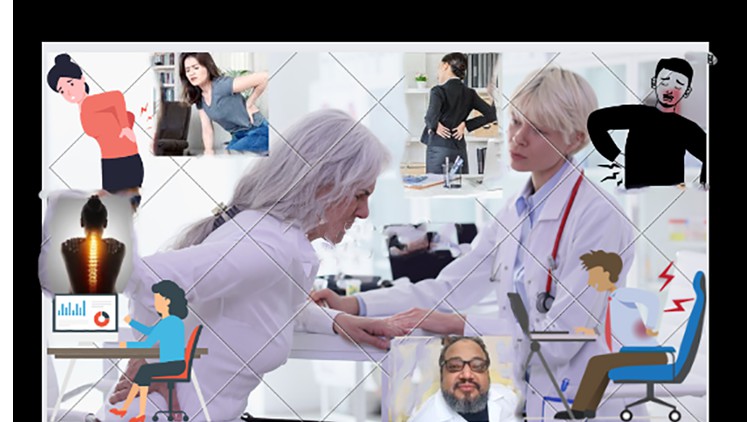
back pain
What you will learn
epidemiology
normal spinal anatomy and physiology
spinal degeneration
acute trauma
chorionic pathological changes
Description
Back pain is a very common problem that can affect people of all ages. It can range from a dull ache to a sharp, stabbing pain. Back pain can be caused by a variety of factors, including:
- Muscle strains or sprains
- Disc problems, such as herniated discs
- Arthritis
- Osteoporosis
- Poor posture
- Heavy lifting
- Obesity
- Pregnancy
Most back pain is acute, meaning it lasts for a short period of time. However, some back pain can be chronic, meaning it lasts for 12 weeks or more.
There are a number of things you can do to help prevent back pain, such as:
- Maintaining good posture
- Exercising regularly
- Maintaining a healthy weight
- Lifting objects properly
- Using good ergonomics at work
If you do experience back pain, there are a number of things you can do to relieve the pain, such as:
- Applying heat or ice
- Taking over-the-counter pain medication
- Getting massage therapy
- Doing stretching exercises
If your back pain is severe or does not improve with home treatment, it is important to see a doctor to determine the underlying cause and get appropriate treatment.
How to ease back pain yourself
Back pain often improves on its own within a few weeks. There are things you can do to help speed up your recovery.
Do
- stay active and try to continue with your daily activities
- take anti-inflammatory medicine like ibuprofen – paracetamol on its own is not recommended for back pain but it may be used with another painkiller
- use an ice pack (or bag of frozen peas) wrapped in a tea towel to reduce pain and swelling
- use a heat pack (or hot water bottle) wrapped in a tea towel to relieve joint stiffness or muscle spasms
- try doing some exercises and stretches for back pain
Don’t
- do not stay in bed for long periods of time
Content
Introduction
back pain | Topics: epidemiology, normal spinal anatomy and physiology, spinal degeneration, acute trauma, chorionic pathological changes
Overview
Alright, let’s cut to the chase. If you’re like me – spending way too many hours hunched over a keyboard, battling that nagging lower back discomfort – then you’ve probably stumbled upon a million articles, gurus, and quick fixes. This course, “Back Pain: Fact vs Fiction – Prevent & Relieve Pain,” doesn’t promise a miracle cure, but it does something arguably more valuable: it equips you with a solid, evidence-based understanding of what’s *really* going on with your spine. As an experienced tech professional, I’m used to diving deep into documentation and cutting through marketing hype. This course does just that for back pain.
What truly stood out for me was its no-nonsense approach to dispelling widespread myths. Forget those dramatic MRI interpretations or the scare tactics you often hear. The course does an excellent job explaining complex concepts like spinal degeneration and acute trauma in an accessible way, grounding them in actual epidemiology rather than anecdotal fear-mongering. It doesn’t just tell you what to do; it explains the “why” behind it, which, for a technically minded person, is absolutely crucial. You gain a fundamental grasp of normal spinal anatomy and physiology, which empowers you to make informed decisions about your body and your habits. It’s less about a quick fix and more about building sustainable knowledge and practices for long-term well-being, translating directly into better focus and productivity, whether you’re debugging code or strategizing your next move.
Prerequisites
Honestly, none. This course is definitely positioned as beginner to advanced in terms of the foundational knowledge it provides. You don’t need a medical degree or even a basic understanding of human biology. It starts from square one, assuming you know nothing beyond “my back hurts.” All you truly need is an open mind and a willingness to challenge some preconceived notions about back pain you might have absorbed over the years. A computer with internet access, obviously, and a quiet space to absorb the material and try out the practical suggestions are the only “tools” required.
Skills & Tools
Upon completing this course, you’ll walk away with some genuinely impactful, almost job-ready skills – not in coding, perhaps, but in self-care and ergonomic mastery. You’ll learn to:
- Identify common misconceptions about back pain and understand its true causes.
- Assess your own posture and movement patterns to pinpoint potential issues.
- Develop personalized strategies for pain relief and prevention, moving beyond generic advice.
- Implement ergonomic adjustments to your workspace using potentially new industry-standard tools like standing desks, ergonomic chairs, and monitor risers, or optimizing what you already have.
- Understand the role of exercise, movement, and psychological factors in managing chronic pain.
While there aren’t traditional hands-on labs in the tech sense, the course provides practical exercises and actionable steps that serve as personal “real-world projects.” You’re essentially applying the learned principles to your own body and environment. Think of your ergonomic workstation setup as your personal sandbox where you implement and test your knowledge.
Career Benefits & Job Roles
Let’s be real, back pain is a productivity killer. By mastering the concepts in this course, you’re not just improving your personal well-being; you’re directly investing in your career growth. Reduced pain means increased focus, fewer sick days, and better overall mental clarity. For anyone in a sedentary role – which is a huge chunk of the tech industry – this knowledge is invaluable. You’ll be able to work longer, more comfortably, and with less physical distraction. It’s also foundational if you’re eyeing roles in corporate wellness, HR (understanding employee health needs), or even just being the go-to person in your team for ergonomic tips. While it’s not direct certification prep for an IT role, the increased personal resilience and productivity certainly contribute to a stronger professional profile.
Pros
- Myth-Busting Power: This course excels at debunking common back pain myths, providing an evidence-based perspective that’s incredibly empowering and reduces anxiety surrounding pain.
- Actionable & Practical: It moves beyond theory, offering concrete, easy-to-implement strategies and exercises you can start using immediately in your daily life and workspace for effective prevention and relief.
- Empowering Education: By thoroughly explaining the “what” and “why” behind back pain and its management, it gives you the knowledge to take control, rather than feeling helpless or constantly seeking external solutions.
- Relatable for Desk Dwellers: The focus on common causes like sedentary lifestyles and poor ergonomics makes it particularly relevant for tech professionals and anyone with a desk-bound job.
Cons
- While comprehensive for a general audience, this course naturally can’t replace personalized medical advice or hands-on physical therapy for extremely complex or severe chronic pathological changes. It provides excellent foundational knowledge, but if you have a unique or very severe condition, you’ll still need professional consultation beyond the scope of this general education.

Found It Free? Share It Fast!
The post Back Pain: Fact vs Fiction Prevent & Relieve Pain appeared first on StudyBullet.com.
